
How to Know When It’s Time to Replace Your Windows in Tacoma’s Climate
Window replacement in Tacoma becomes necessary sooner than many homeowners expect due to the Pacific Northwest’s persistent rain, humidity, and seasonal temperature swings. Over time, moisture intrusion, seal failure, and frame deterioration can significantly reduce energy efficiency and indoor comfort. Recognizing the warning signs early helps prevent costly structural damage and rising heating bills.
Tacoma’s climate places unique demands on residential windows. Extended rainy seasons, damp winters, and fluctuating temperatures create continuous stress on seals, frames, and insulated glass units. Understanding how these conditions affect window performance is the first step toward protecting your home.
How Tacoma’s Climate Affects Residential Windows
Persistent Rain and Moisture Exposure
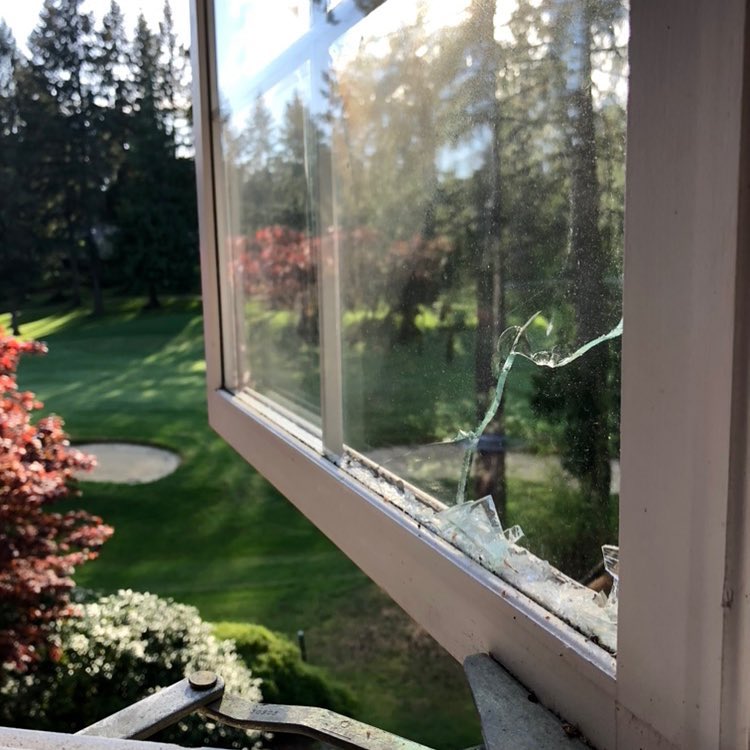
Tacoma receives consistent rainfall throughout much of the year. Continuous exposure to moisture increases the risk of:
Water infiltration around window frames
Wood rot and swelling
Deteriorating caulking and seals
Mold and mildew growth
Even small gaps can allow water to seep into surrounding walls, causing hidden structural damage.
Humidity and Condensation Buildup
High humidity levels often lead to condensation forming on or between glass panes. While minor surface condensation can be normal, persistent fogging between panes usually indicates seal failure.
When seals fail:
Insulating gas escapes
Energy efficiency drops
Visibility becomes cloudy
Moisture damage accelerates
This is one of the most common signs homeowners need window replacement in Tacoma.
Temperature Fluctuations and Expansion
Western Washington homes experience cool winters and moderate summer temperature shifts. These repeated expansion and contraction cycles weaken materials over time, especially in older wood-framed windows.
7 Warning Signs You Need Window Replacement in Tacoma
1. Drafts Near Closed Windows
If cold air is noticeable even when windows are shut, failing seals may be allowing air infiltration. Drafty windows increase heating demands during Tacoma’s long winter months.
2. Fog or Condensation Between Glass Panes
Moisture trapped between panes is a clear indicator of a failed insulated glass unit. Once this occurs, replacement is typically required.
3. Rotting, Soft, or Warped Frames
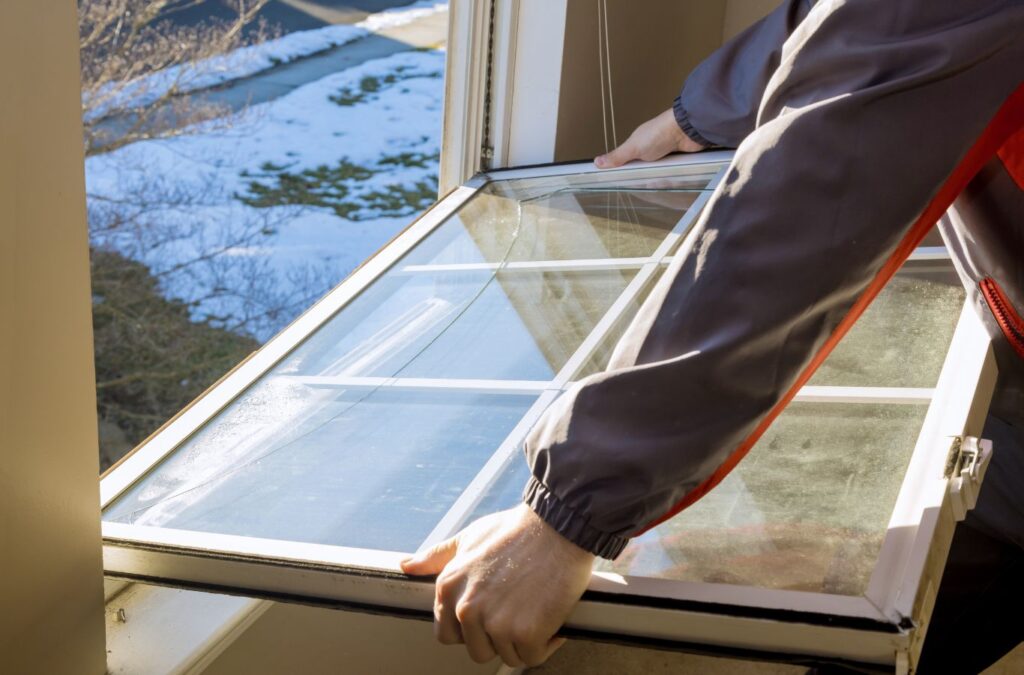
Wood frames exposed to moisture may feel soft to the touch or show discoloration. Warping can also make windows difficult to operate.
4. Increasing Energy Bills
If heating costs rise without changes in usage, inefficient windows may be allowing significant heat loss.
Modern windows available through professional window replacement services are designed to improve insulation and reduce energy waste.
👉 https://tnglassinstall.com/window-replacement-services/
5. Difficulty Opening or Closing
Sticking, jamming, or uneven movement often signals frame distortion caused by moisture exposure or foundation settling.
6. Outside Noise Becoming More Noticeable
Older windows with compromised seals allow more exterior noise inside. Replacement units provide improved sound insulation.
7. Visible Water Damage Around Windows
Peeling paint, bubbling drywall, or water stains around frames may indicate hidden leaks.
When several of these issues appear at once, full replacement is typically more cost-effective than repeated repairs.
Repair vs. Full Window Replacement in Pierce County
Not every issue requires full replacement. Minor hardware problems or small seal repairs can sometimes extend window lifespan.
However, replacement is usually recommended when:
Frames show structural damage
Multiple seals have failed
Windows are more than 20 years old
Energy efficiency has significantly declined
Professional evaluation helps determine the best solution for your home in Tacoma or surrounding Pierce County areas.
You can explore service coverage areas here:
👉 https://tnglassinstall.com/locations/
Best Window Materials for Western Washington Homes
Selecting the right material improves durability in moisture-heavy environments.
Vinyl Windows
Resistant to moisture
Low maintenance
Strong thermal performance
Fiberglass Windows
Minimal expansion and contraction
Long-lasting structural integrity
Wood-Clad Windows
Traditional aesthetic
Exterior cladding improves weather resistance
Premium brands such as Milgard, Andersen, and Pella are designed to perform well in wet climates like Tacoma.
Energy Efficiency and Tacoma’s Long Heating Season
Older single-pane or early-generation double-pane windows allow heat to escape easily. Modern energy-efficient windows include:
Low-E glass coatings
Argon gas fills
Improved spacer systems
Advanced frame insulation
These features reduce heat transfer and help maintain consistent indoor temperatures during Western Washington’s rainy winters.
Why Professional Installation Matters in Tacoma
Even high-quality windows can underperform if improperly installed.
Professional installers ensure:
Proper flashing and waterproofing
Airtight sealing
Correct structural fit
Compliance with local building standards
Proper installation is critical in preventing moisture intrusion in Tacoma’s climate.
To learn more about the company and service standards, visit:
👉 https://tnglassinstall.com/about/
How Long Do Windows Last in the Pacific Northwest?
In moderate climates, windows may last 20–30 years. However, in moisture-heavy regions like Tacoma, lifespan may shorten without proper maintenance.
Lower-quality windows or poor installation can reduce longevity significantly. Regular inspection every few years helps identify early deterioration.
Frequently Asked Questions
How do I know if I need window replacement in Tacoma instead of repairs?
If frames are rotting, multiple seals have failed, or energy efficiency has declined significantly, full replacement is usually recommended.
How long do replacement windows last in Tacoma’s climate?
High-quality windows installed professionally can last 20–30 years, depending on exposure and maintenance.
Do new windows really reduce energy bills?
Yes. Modern insulated windows reduce heat loss during winter and improve overall comfort.
Is condensation between panes fixable?
When condensation forms between panes, the insulated glass unit has typically failed and replacement is required.
Tacoma’s rain, humidity, and temperature changes accelerate window wear over time. Identifying the early warning signs of deterioration allows homeowners to protect structural integrity, improve comfort, and maintain energy efficiency throughout the year.